The Critical Role of SPE Method Validation in Analytical Chemistry
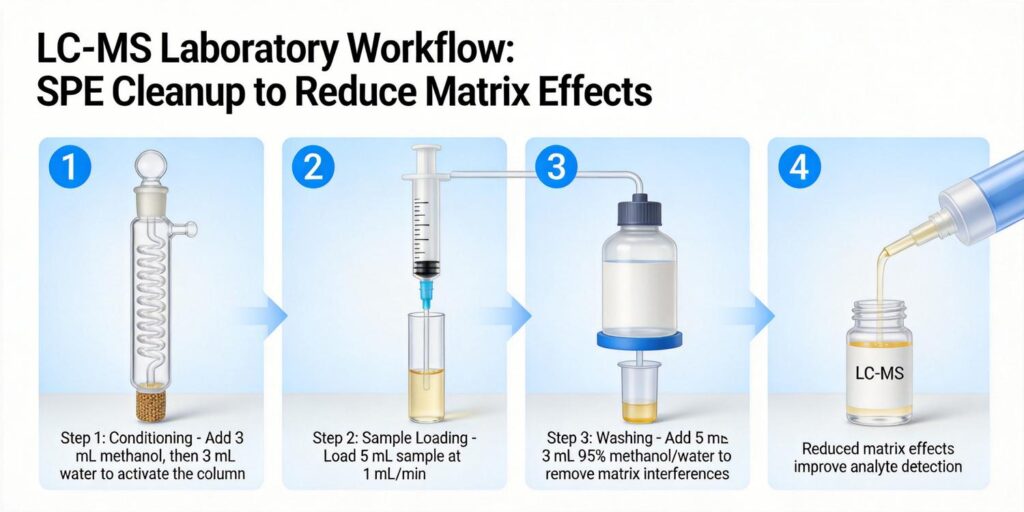
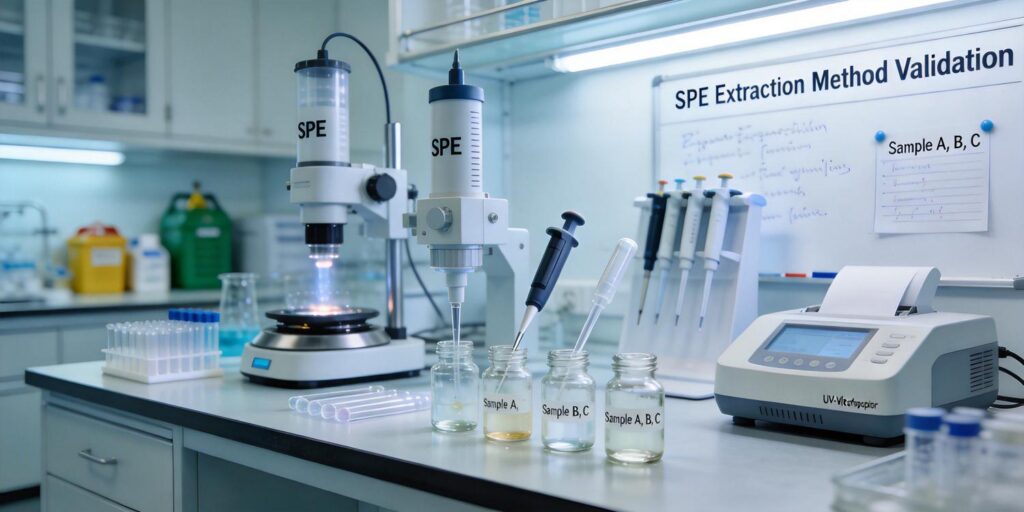
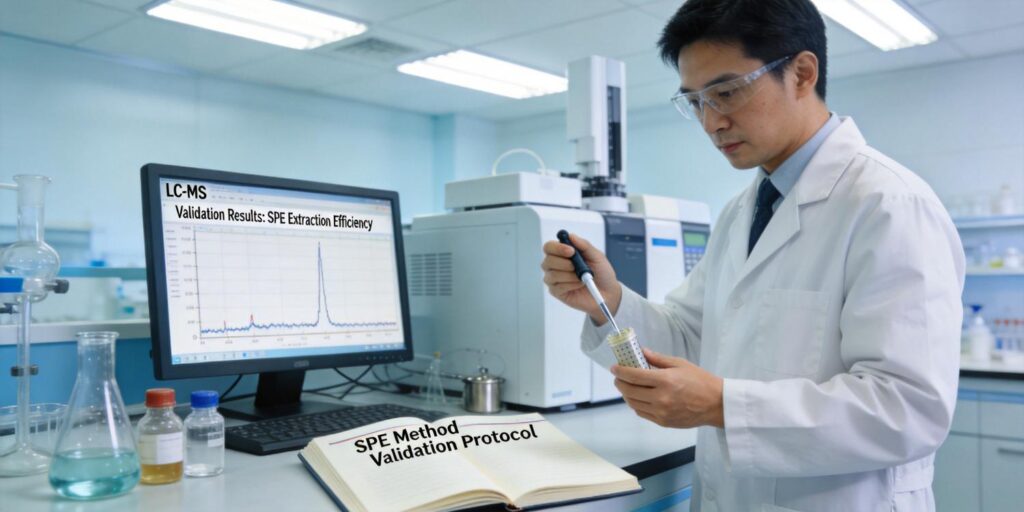
Solid Phase Extraction (SPE) has become the cornerstone of modern sample preparation, offering unparalleled advantages over traditional liquid-liquid extraction methods. However, the effectiveness of any SPE method hinges on rigorous validation protocols that ensure analytical results are reliable, reproducible, and compliant with regulatory standards. As analytical laboratories face increasing pressure to deliver accurate data for critical applications in pharmaceuticals, environmental monitoring, forensic toxicology, and clinical diagnostics, comprehensive SPE method validation has never been more essential.
Why SPE Method Validation Matters
Method validation serves as the foundation for establishing the scientific credibility of analytical procedures. For SPE methods, validation is particularly crucial because extraction represents a critical bottleneck where errors can propagate through the entire analytical workflow. A robust SPE method, as defined in the literature, must “yield a near quantitative recovery, over the entire desired concentration range, of a compound or compounds from a representative sample” with acceptable precision both within and between laboratories, and across different time periods.
The validation process begins with understanding that SPE is just one step in the analytical method continuum, which typically includes sample pretreatment, extraction, elution, and analysis. Each of these stages must be optimized and validated to ensure the overall method’s reliability. As noted in SPE literature, “attention paid to the design of the SPE method should certainly be no less than that of the analytical method itself.”
Key Variables Requiring Validation
Comprehensive SPE method validation must address numerous critical variables:
- Sorbent characteristics: Different sorbent weights, cartridge types, and lot-to-lot variations
- Preconditioning parameters: Strong and weak solvent selection and volumes
- Loading conditions: Organic percentage, pH, ionic strength, and volume
- Wash optimization: Solvent composition, pH, ionic strength, and volume
- Elution parameters: Volume, organic percentage, and flow rates
- Flow rate considerations: Loading, wash, and elution flow rates
- Linearity and range: Different analyte concentrations and matrix loadings
- Analyte stability: In loading solvent and eluent
- Matrix stability: In loading solvent
Accuracy and Precision: The Twin Pillars of SPE Validation
Accuracy and precision represent the fundamental metrics of SPE method performance. Accuracy refers to how close measured values are to the true value, while precision measures the reproducibility of results under specified conditions. In SPE applications, both parameters must be rigorously evaluated across the entire concentration range of interest.
Analysts typically aim for 100% recoveries, indicating quantitative extraction and elution. However, values exceeding 100% may signal contamination from sources other than the sample, such as plasticizer leaching from tubing in phthalate ester analysis. Recoveries below 100% present more complex diagnostic challenges, potentially indicating poor technique, low binding capacity (breakthrough), incomplete elution, or analyte decomposition.
Precision evaluation must consider both intra-laboratory (repeatability) and inter-laboratory (reproducibility) variations. Published data demonstrates excellent reproducibility in SPE applications, with recovery studies showing consistent performance across multiple lots of sorbents from single manufacturers. For instance, recovery studies of drugs from plasma using various lots of sorbents from a single manufacturer showed remarkable consistency, with average recoveries for compounds like hydrocortisol maintaining 101.1% with a standard deviation of 2.7% across five different lots.
Manufacturer-to-Manufacturer Considerations
Critical differences between manufacturers that concern analysts include analyte recovery, throughput, flow rates, chemical stability, cleanliness, and the reproducibility of these criteria. While cartridges from multiple vendors may have the same functionality, they may not have identical performance characteristics. Therefore, all cartridges used should be validated for the specific SPE method, and mixing cartridges from different vendors is generally discouraged unless cross-validation has been performed.
Recovery Studies: Beyond Simple Percentages
Recovery studies form the cornerstone of SPE method validation, but they must be approached with sophistication. As noted in forensic applications, “recovery is a relative asset to overall extraction performance. In an optimized method, recovery is a balance between sensitivity and selectivity.” The chromatographic signal-to-noise ratio (S/N) and resolution of interfering substances often prove more important than absolute recovery percentages.
SPE recoveries should ideally exceed 90% absolute recovery. If lower recoveries are achieved, analysts should investigate whether other parameters (such as solubility, pH, and solvent strength) require adjustment. However, if acceptable limits of detection are achieved with no interfering compounds at only 30% recovery, higher recovery may not be necessary and could even increase interferences and noise.
Flow Rate Optimization
Flow rates significantly impact recovery in SPE applications. The relationship between load or elute flow rates and recovery follows an inverse relationship, with slower flow rates generally yielding higher recoveries. Automated SPE workstations must carefully control flow rates to maintain method performance, with studies showing that eluent flow rates can dramatically affect drug recoveries. For example, research on automated SPE procedures demonstrated that flow rates of ammoniated ethyl acetate significantly impacted recoveries of test drugs from plasma.
Regulatory Guidelines and Compliance
SPE method validation must align with established regulatory guidelines from organizations such as the International Council for Harmonisation (ICH), Food and Drug Administration (FDA), Environmental Protection Agency (EPA), and other relevant authorities. These guidelines typically require validation of specificity, accuracy, precision, linearity, range, detection limit, quantitation limit, robustness, and system suitability.
For environmental applications, methods must comply with EPA guidelines such as those for drinking water analysis (EPA 500 series) or wastewater analysis. Pharmaceutical applications require adherence to ICH Q2(R1) guidelines for validation of analytical procedures. Food safety applications must meet standards from organizations like SANTE (formerly SANCO) and national regulatory bodies such as ANVISA in Brazil.
Documentation and Traceability
In the world of ever-increasing regulatory pressures, automated SPE can provide formal documentation of how sample preparation is performed, recording precise details of every step of every extraction in electronic form. This documentation becomes crucial during regulatory audits and method transfers between laboratories.
Validation protocols should include comprehensive documentation of:
- Method development and optimization parameters
- Recovery studies at multiple concentration levels
- Precision assessments (repeatability and intermediate precision)
- Specificity testing against potential interferences
- Robustness testing under varied conditions
- Stability studies of analytes in sample matrices
Practical Considerations for SPE Method Validation
Several practical considerations can significantly improve SPE method validation outcomes:
- Matrix-matched calibration: Always perform recovery studies in the actual sample matrix rather than in pure solvent to account for matrix effects.
- Triplicate analysis: Run spiked samples in triplicate at each concentration level to ensure statistical validity.
- Mass balance assessment: Track analyte distribution across all fractions (loading effluent, washes, eluate) during method development to understand analyte fate.
- Cartridge capacity considerations: Remember that cartridge capacity for analytes and matrix is typically about 1-3% of cartridge bed weight (excluding ion-exchange applications).
- Moisture control: Never allow the cartridge to dry out until the elution step, as drying can significantly impact recovery and reproducibility.
Automation and Validation
Automated SPE workstations can enhance validation by improving precision through consistent execution of extraction steps. However, automation introduces its own validation requirements, including verification of fluid path cleanliness, carryover assessment, and confirmation that automated methods perform equivalently to manual methods. When automating a manual SPE method, key guidelines include starting with a validated manual method, changing only one variable at a time, using mid-level spiked samples for evaluation, and working in the correct sample matrix.
Conclusion
SPE method validation represents a critical investment in analytical quality and regulatory compliance. By systematically addressing accuracy, precision, recovery, and regulatory requirements, laboratories can establish SPE methods that deliver reliable, reproducible results across diverse applications. The validation process should be viewed not as a regulatory burden but as an opportunity to optimize method performance, understand method limitations, and build confidence in analytical results. As SPE technology continues to evolve with new sorbent chemistries, formats, and automation capabilities, robust validation practices will remain essential for ensuring that these advances translate into improved analytical outcomes.
For laboratories seeking to implement or optimize SPE methods, Poseidon Scientific offers a comprehensive range of HLB SPE cartridges, MAX SPE cartridges, MCX SPE cartridges, WAX SPE cartridges, WCX SPE cartridges, and 96-well SPE plates designed to meet the rigorous demands of modern analytical chemistry.